
The healthcare industry is undergoing a profound transformation. Once anchored in brand awareness and subliminal messaging, modern healthcare marketing is evolving into a data-driven, patient-centric discipline that directly supports sales, drives volume, and builds lasting client relationships.
As patients become more informed, empowered, and selective, traditional marketing approaches no longer suffice. Today’s healthcare providers must go beyond visibility and trust-building — they must deliver integrated, value-driven services through targeted, omni-channel engagement strategies.
From B2B to B2C: A Strategic Shift in Sales and Marketing
Historically, sales in healthcare operated largely within a business-to-business (B2B) model, focused on relationships with doctors, funders, and other intermediaries. While this remains important, the industry is increasingly adopting a business-to-consumer (B2C) model, with a growing emphasis on direct engagement with patients.
This shift reflects the broader evolution from hospital-centric care delivery to integrated healthcare ecosystems offering a broader array of consumer-facing services, including digital health, virtual consultations, wellness tools, and retail partnerships.
To align with this change, healthcare organisations must adopt a cohesive, enterprise-wide marketing and sales strategy that balances B2B and B2C approaches, fosters alignment across business units, and is supported by key technological enablers.
Understanding the Modern Healthcare Sales Channels
An effective healthcare sales model typically includes three distinct — yet often overlapping — channels:
- Firstly, services are offered in partnership with affiliated or employed clinicians. This channel requires strong collaboration between business development, operational teams, and physician partners, forming an ecosystem that builds mutual value and promotes trust with patients, referring providers, and insurers.
- Secondly, healthcare remains heavily influenced by third-party payers, such as funders, employers, and government entities. These intermediaries serve as gatekeepers and volume drivers, making them essential stakeholders in any strategic sales effort.
- Lastly, the emergence of self-pay clients, digital health platforms, and patient interest groups introduces new opportunities for direct-to-consumer engagement. These services often bypass traditional intermediaries, requiring customised marketing and communication strategies that are tailored to new, tech-savvy patient segments.
Beyond Episodic Care: Building Long-Term Relationships Through CRM
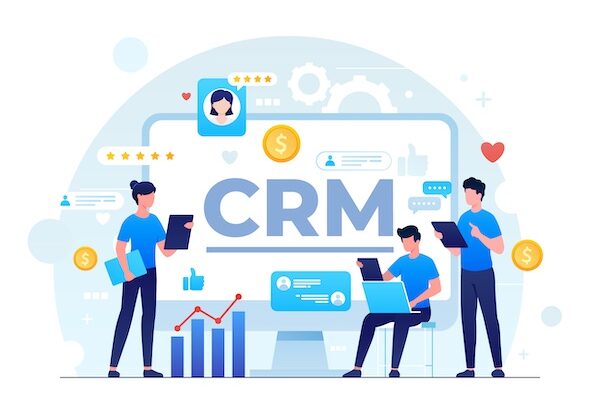
One of the inherent challenges in healthcare is its episodic nature — patients may engage with a provider once and not again for months or years. Customer Relationship Management (CRM) systems are key to bridging this gap and nurturing continuity.
By leveraging a segmented, consent-based database — built using an omni-channel marketing approach — healthcare providers can deliver targeted, high-value experiences that drive both retention and acquisition.
A well-designed value ecosystem might include:
- Educational content (articles, webinars, podcasts)
- Access to digital health tools and virtual support
- Exclusive partner benefits (retail discounts, pharmacy perks)
- Custom experiences (room upgrades, welcome packages)
These offerings transform one-time encounters into ongoing engagement, shifting the focus from episodic transactions to long-term loyalty.
A 360° View: Personalised Engagement at Scale
At the heart of a modern CRM strategy is the creation of a 360° client view. By collecting and integrating data from multiple touchpoints — including demographics, lifestyle, and behavioural insights — organisations can build comprehensive personas and journey maps for each patient.
These insights are then used to deliver targeted, automated marketing campaigns that match the right message to the right audience at the right time. The result is more meaningful engagement, improved conversion rates, and a measurable return on investment.
Navigating the Marketing Funnel with Precision
The widely adopted marketing acquisition funnel offers a roadmap to convert potential patients into loyal clients:
- Awareness: Generated through strategic outreach and thought leadership.
- Interest: Stimulated via relevant and engaging content.
- Consideration: Encouraged through marketing automation and value-added offerings.
- Conversion: Achieved by meeting individual needs at the right moment.
Supporting this funnel requires a digitally-led omni-channel strategy, enabling campaign distribution across a mix of platforms, formats, and audience segments. By focusing on relevance and precision, organisations can reduce waste, boost engagement, and accelerate growth.
The Role of Technology: From Insight to Action
Technology is the critical enabler of this modern marketing approach. Through advanced analytics, automation platforms, and CRM tools, healthcare providers can:
- Identify and recruit potential clients
- Build detailed patient profiles
- Segment audiences for personalised targeting
- Execute multi-channel campaigns with efficiency
- Continuously measure and optimise performance
Ultimately, this technology-driven model allows for smarter marketing, stronger relationships, and sustainable business growth in an increasingly competitive healthcare landscape.